How to Measure Your Dog for a Collar
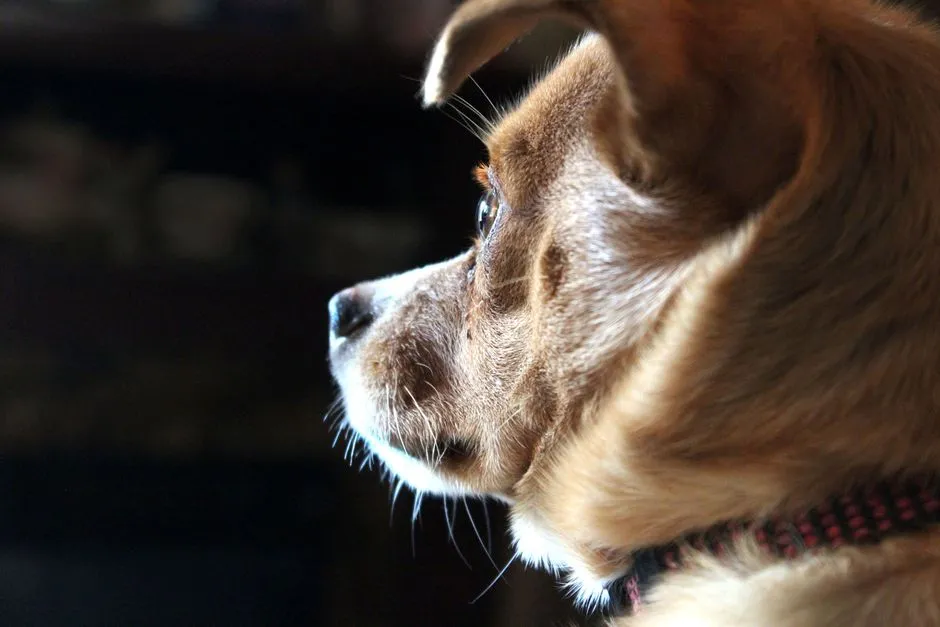
- How do you measure a dog for a collar?
- What should you have ready before measuring?
- How should you take and record the measurement?
- How do you read a manufacturer's size chart?
- Should you add two inches or buy the larger size?
- How do you check the collar once it arrives?
- When should you remeasure or choose another design?
- Sources
How do you measure a dog for a collar?
Measure around your dog's neck at the position shown in the collar maker's fitting guide, using a flexible tape. Record the measurement and units, then compare it with that exact model's neck-size range. Follow the maker's instructions about any allowance. Once fitted, check comfort and security: two fingers should fit comfortably underneath, and the collar must not slip off. Ask for fitting help if you cannot achieve both.
This guide covers ordinary adjustable flat collars with a fastening that opens. Slip designs, martingales and head collars have different fitting requirements. We have desk-researched the guidance below; we have not tested or ranked the example product.
What should you have ready before measuring?
Use a flexible fabric tape, a place to record the result and the actual product instructions. A piece of string measured against a ruler is an alternative described by Kurgo's measurement guide. Hold it only for the measurement; do not tie it around the neck or leave it on the dog.
Have a calm helper available if needed. Our practical preference is to take the measurement when the dog is settled and comfortable being touched. If handling the neck causes distress or pain, stop and ask your vet for advice. Do not restrain a struggling dog to finish an online order.
Open the sizing instructions before measuring. A diagram for a harness may place the tape differently from a collar diagram. Kurgo, for example, describes its harness neck measurement below the narrower area where a collar normally sits. Do not reuse a harness measurement without checking what the collar manufacturer requires.
How should you take and record the measurement?
Follow this sequence for the model you are considering:
- Find the specified position. Use the maker's neck diagram. If the placement is unclear, ask the manufacturer or a knowledgeable fitter to show you.
- Bring the tape around the neck. Follow the stated measuring method, keeping the tape untwisted. Do not tighten it against the throat.
- Read the measurement. Check which edge of the tape you are reading and whether it is marked in centimetres or inches.
- Record any allowance separately. Write down what you measured and what the instructions say to add, if anything. Do not silently combine the two.
- Repeat once. Our suggestion is to repeat the measurement in the same position. If the results differ enough to change your size choice, resolve that difference before ordering.
A useful note might read: “Neck measurement: 40 cm. Model: chosen flat collar. Chart describes neck circumference. Allowance instructions checked.” That is a fictional record format, not a recommended size for any breed.
Avoid choosing from the dog's weight or breed label alone. Kurgo's guide explains why dogs of the same weight can have different proportions. Keep measurements attached to this dog, this date and this product.
How do you read a manufacturer's size chart?
Check what the range describes. Neck circumference, usable adjustment range and the total length of an unfastened strap are different measurements. If a listing simply says “length,” get clarification before treating it as a neck-size recommendation.
Here is one real example. The Ruffwear Front Range Collar chart, checked September 13, 2026, labels its measurement as around the neck:
| Manufacturer's neck-size range | Listed collar width |
|---|---|
| 11–14 in (28–36 cm) | 0.75 in (20 mm) |
| 14–20 in (36–51 cm) | 1 in (25 mm) |
| 20–26 in (51–66 cm) | 1 in (25 mm) |
Those paired units are reproduced as the manufacturer publishes them. They are not a universal dog-collar chart. In this example, a recorded 40 cm neck measurement falls within the listed 36–51 cm range. That identifies a candidate for a fitting check; it does not establish that the collar will suit the dog.
At a shared boundary such as 36 cm, two rows meet. Ask the maker which size it recommends and check the actual fit. Width changes between these two rows as well, so choosing by circumference alone leaves another product difference unresolved.
Should you add two inches or buy the larger size?
Do not add a universal allowance to every chart. Some instructions describe how to derive a finished collar length; others already describe the dog's neck measurement. Adding extra length to the wrong kind of measurement can produce an unsuitable fit.
Our buying rule is to keep the sequence explicit: measurement, maker's allowance if specified, size range, then physical fit. If a seller cannot explain its chart, choose a product with clearer instructions or arrange an in-person fitting.
Likewise, “room to grow” must not mean a loose collar worn today. A larger adjustable size is only a candidate if it can be fitted correctly now and meets the manufacturer's instructions. Do not buy below the required range to make a collar stay on. If neither available size fits, choose another model with appropriate dimensions.
How do you check the collar once it arrives?
Fit it according to its instructions before relying on it outdoors. PDSA's veterinary guidance recommends a soft, comfortable material and enough space to fit two fingers comfortably between collar and neck. This is a physical comfort check, not an instruction to add the width of two fingers to every online measurement.
Security needs attention too. The International Wildlife Coalition Trust's fitting guide explains that a loose collar can slip off or trap a paw or jaw, while excessive tightness can injure the neck. Its two-finger check should be possible without forcing your fingers underneath.
Check the fastening and adjustment against the product instructions. If the collar can slip over the head, cannot be secured properly or causes discomfort, do not rely on it for walking. Seek fitting help in a secure setting. Do not perform a forceful pull test on the dog's neck.
When should you remeasure or choose another design?
Keep checking fit as the dog changes. IWCT specifically notes rapid puppy growth, changing weight and coat coverage as reasons adjustment may be needed. A previously suitable setting is not permanent evidence of fit.
Our suggested routine is to look at the collar when putting it on and revisit the measurement whenever fit changes, after an adjustment or when replacing it. Record a new measurement rather than assuming the same size label from another brand will match. Keep the old order details only as a reference.
For a dog that pulls, tightening the collar is not the answer. PDSA recommends a harness for pulling dogs to help prevent neck injury, alongside positive training. Ask your vet about coughing, pain, skin irritation or any health concern. A qualified reward-based trainer can help with walking behavior.
If ordinary flat collars repeatedly fail the fit check, get individual advice about suitable equipment. Do not improvise changes to straps, buckles or adjustment limits. The collars, leashes and harnesses collection covers related choices; each product still needs its own fitting instructions.
The useful shopping result is a measurement you can explain and a collar that passes the real fitting check. Keep the packaging and instructions until those questions are resolved.