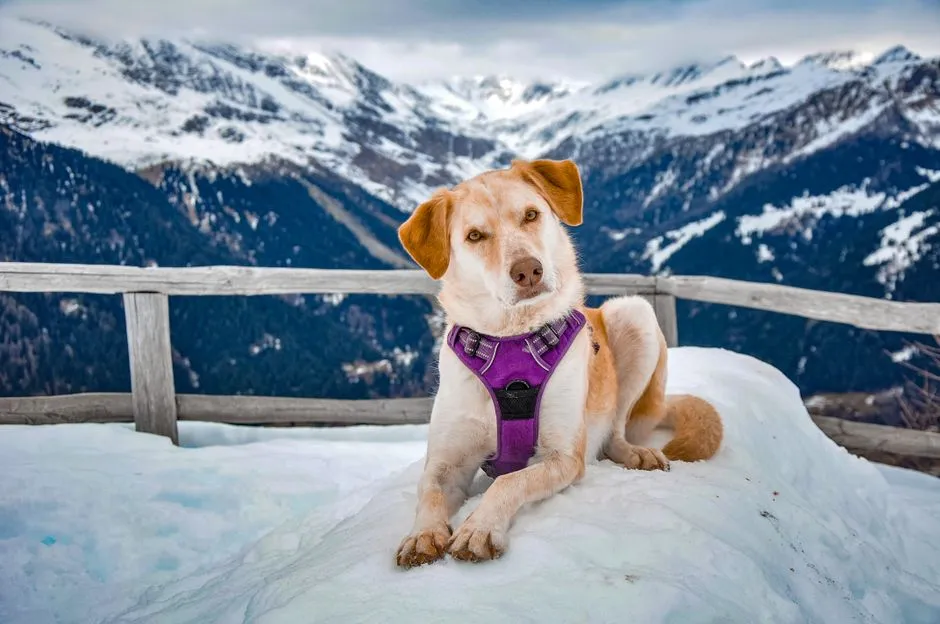
Collars, Leashes & Harnesses
Are Retractable Leashes Safe? Risks and Better Options
Retractable leashes aren't automatically unsafe, but their thin cord or tape, lag between pressing the lock and stopping, and long roaming range create…
This is the gear your dog wears every single day, so fit and hardware quality matter more than color options. We cover harnesses by body type and pulling style, collars including honest talk about breakaway and quick-release trade-offs, and leashes from basic six-footers to long lines — plus where retractables genuinely fall short. Our criteria: measured fit ranges (a too-loose harness is an escape hazard, a too-tight one chafes), hardware strength relative to dog size, adjustability across coat changes, and whether the design supports or sabotages loose-leash training. No harness stops pulling by itself, and we won't tell you otherwise.
Retractable leashes aren't automatically unsafe, but their thin cord or tape, lag between pressing the lock and stopping, and long roaming range create…
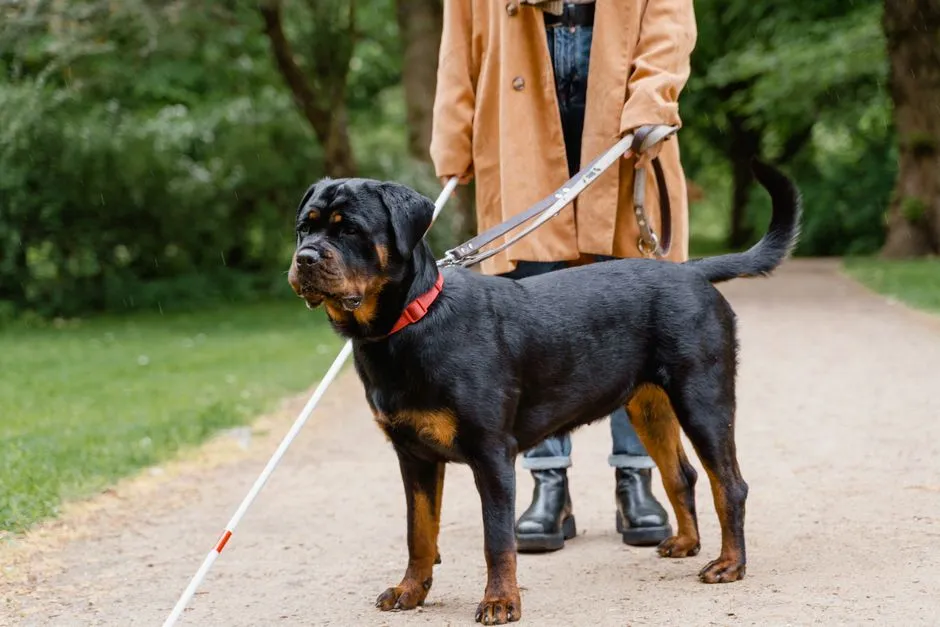
The best no-pull harness depends on how hard your dog pulls.
Choose a dog harness by matching fit, clip position, construction, and purpose to the individual dog.

A harness is the safer default for most dogs, especially puppies, small breeds, and pullers, because it spreads leash pressure across the chest instead of…
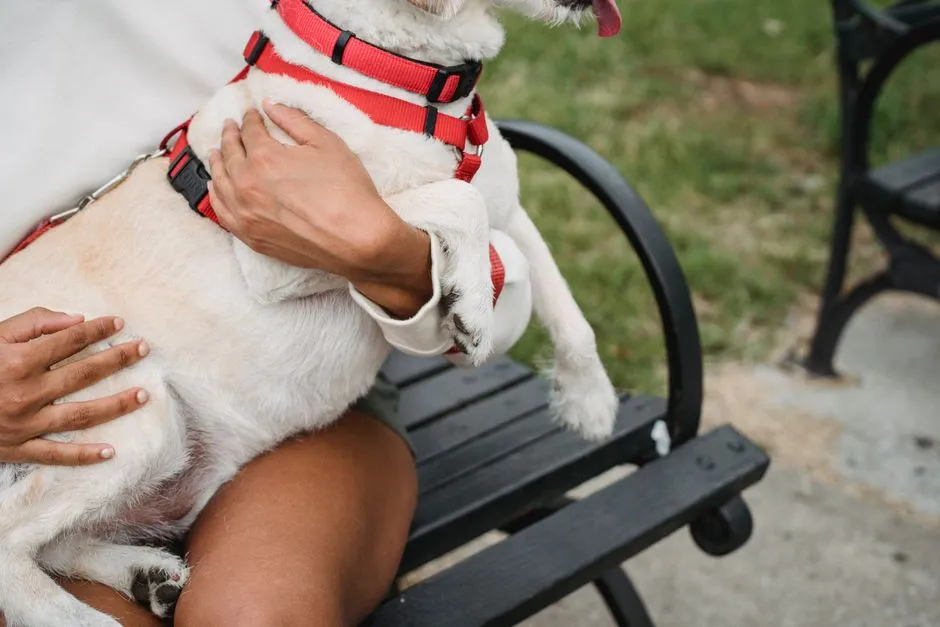
Measure your dog's girth — the circumference around the widest part of the rib cage, just behind the front legs — while they stand normally, using a soft…
For a step-in harness, lay it flat, place one front paw in each leg opening, pull the sides up, and buckle on the back.
Measure around your dog's neck at the position shown in the collar maker's fitting guide, using a flexible tape.