How to Choose Dog Bowls and Feeders: Complete Guide
The Short Answer
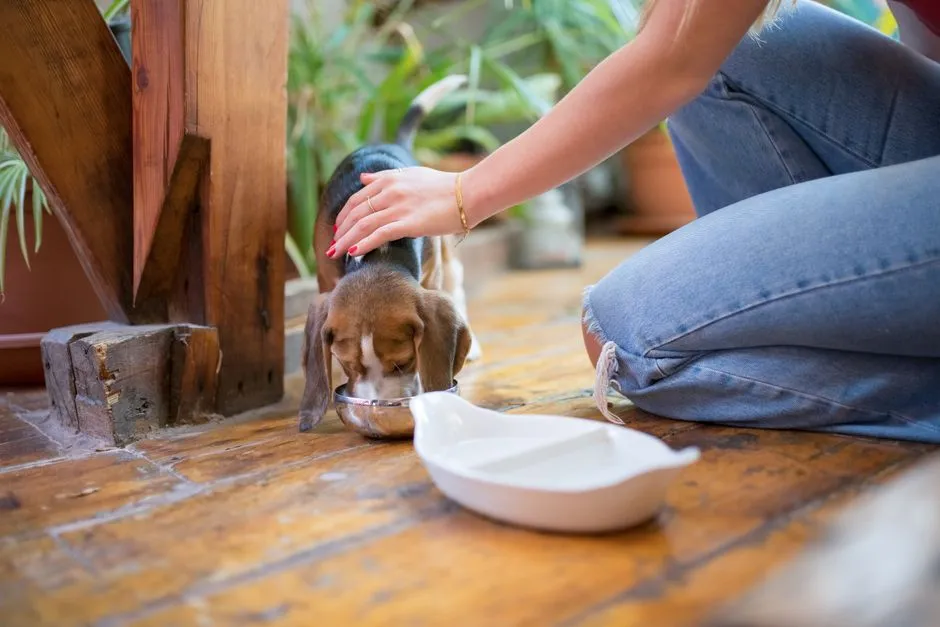
For most dogs, a stainless steel bowl sized to their head and appetite is the safe default: it's dishwasher-safe, doesn't harbor bacteria in scratches the way plastic can, and won't chip like ceramic. From there, three things push you toward a specialty bowl instead — a dog who inhales food too fast needs a slow feeder, a flat-faced breed needs a shallow, wide bowl, and a multi-dog household usually needs separate stations more than it needs a fancier bowl. Elevated bowls are a judgment call, not a default — more on that below.
This guide walks through material, shape, size, and feeding-station setup so you can match gear to how your dog actually eats, not just what looks nice on a counter.
Start With How Your Dog Eats, Not What's on Sale
Bowls and feeders get shopped backward all the time — style first, function second. Flip that. Before you look at a single product, answer these:
- Does your dog gulp? Fast eaters are prone to regurgitation, gagging, and in deep-chested breeds, a heightened risk of the food-and-air-heavy eating pattern linked to bloat. This points toward a slow feeder, not a standard bowl.
- What's their face shape? Flat-faced (brachycephalic) breeds like Bulldogs, Pugs, and Boxers struggle to reach food at the bottom of a deep bowl. A shallow, wide dish helps.
- How many dogs are eating at once? Food-guarding, size mismatches, and one dog finishing first and moving to another's bowl are feeding-station problems, not bowl-material problems.
- Any joint, neck, or age issues? This is the one place elevated bowls come up — and it's genuinely debated, which we cover in its own section below.
- Who's cleaning it? Dishwasher-safe stainless and quality ceramic save real time over hand-washing textured plastic or silicone.
Once you know the eating style, the material and shape decisions get much easier.
Bowl Materials Compared
Material affects hygiene, durability, weight, and how the bowl handles daily wear. Here's how the main options stack up.
| Material | Durability | Hygiene | Weight/Stability | Typical Price Range | Worth Knowing |
|---|---|---|---|---|---|
| Stainless steel | Very durable, dents rather than cracks | Non-porous, resists bacteria and odor well | Light — often needs a rubber base or weighted design to stop sliding | $10-$30 | Can be noisy against hard flooring; some dogs dislike the reflective surface |
| Ceramic | Durable if not dropped; can chip or crack | Non-porous when the glaze is intact, but a chipped glaze can trap bacteria | Heavy, sits well without sliding | $15-$40 | Check for lead-free, pet-safe glaze; inspect regularly for chips |
| Plastic | Wears down with scratches over years of chewing and washing | Scratches can harbor bacteria over time; some dogs get chin acne from porous plastic | Light, usually needs a non-slip base | $5-$20 | Least durable long-term; replace once scratched or cloudy |
| Silicone (collapsible/travel) | Good for occasional use; not meant for daily wear | Easy to rinse but folds and seams can trap residue | Very light, best on flat ground | $8-$20 | Made for travel and backups, not a primary everyday bowl for most dogs |
For everyday use, stainless steel or ceramic are the two materials most guides and vets tend to favor over long-term plastic use, mainly for durability and easier cleaning rather than any settled safety verdict on plastic itself.
Bowl Types by Eating Style
Standard bowls
A simple stainless or ceramic bowl, sized to the dog, covers most calm eaters just fine. No need to overthink this category — the material table above is really the whole decision.
Slow Feeder Bowls
Slow feeders use raised ridges, mazes, or knobs inside the bowl to physically slow down a dog who eats too fast. They're a strong fit for gulpers, food-motivated breeds, and multi-dog homes where competition speeds everyone up. For a closer look at which designs actually slow eating without frustrating the dog, see our slow feeder bowl picks.
Worth knowing: the maze pattern that works for one dog can be too easy (or too hard) for another — a determined eater sometimes learns to flip a shallow-pattern bowl or dig food out with a paw. Depth and pattern complexity matter more than brand.
Elevated (Raised) Bowls
Elevated feeders raise the bowl off the floor, which can reduce neck-craning for tall or senior dogs and may be more comfortable for dogs with arthritis or spinal issues. But raised feeders are also genuinely debated in connection with bloat (gastric dilatation-volvulus) risk in large, deep-chested breeds — some research has raised concerns, other findings are mixed, and the science isn't settled either way. This is exactly the kind of decision to run by your vet rather than decide from a product page, especially for large or giant breeds. We break down both sides in detail in our elevated dog bowls guide.
Worth knowing: even setting bloat risk aside, elevated stands need to be sized correctly — a stand that's too tall for a still-growing puppy does more harm than good.
Automatic and Gravity Feeders
Gravity feeders use a hopper to keep a bowl topped up with dry kibble; programmable automatic feeders dispense set portions on a schedule. These solve a scheduling problem (you're not home at mealtime) more than an eating-style problem, and they generally aren't a fit for fast eaters or dogs on a vet-prescribed portion plan, since gravity feeders in particular can let a dog free-feed more than intended.
Worth knowing: any electronic feeder is only as reliable as its battery or power source — a backup power plan matters if a missed meal is a real concern for your dog's health.
Wet Food and Combination Bowls
Wet or fresh food behaves differently than kibble in a bowl: it sticks to textured surfaces, dries out faster if left uncovered, and generally isn't a good fit for slow-feeder mazes designed around dry pieces. A smooth, shallow bowl is usually easiest to clean thoroughly after wet food, and it's worth washing that bowl immediately after each meal rather than letting it sit, since wet food residue attracts bacteria and pests faster than dry kibble does.
Puppies, Seniors, and Special Cases
A few life stages and situations deserve their own quick notes:
- Puppies grow fast, so buying a slightly larger bowl than their current size — rather than a perfectly fitted one — usually saves a repurchase a few months later. Keep an eye on whether they can comfortably reach the bottom without straining.
- Senior dogs with dental pain or reduced mobility may do better with a wider, shallower bowl regardless of breed shape, since it reduces how far they need to tip their head or bend their neck.
- Dogs recovering from surgery or illness sometimes need temporary adjustments — a lower stool, a supported bowl, or hand-feeding for a stretch. Follow your vet's specific guidance here rather than general sizing advice.
- Multi-pet homes with cats should keep dog and cat bowls in separate areas; dog food and cat food have different nutritional formulations, and neither species should be eating the other's regularly.
Material vs. Type: Which Matters More?
Short version: type first, material second. A gulping dog in a beautifully made stainless standard bowl will still gulp. Pick the type that matches eating style and health considerations, then choose the material within that type based on durability and cleaning preference.
| If your dog... | Look for | Skip |
|---|---|---|
| Eats in under a minute | Slow feeder, stainless or hard plastic | Deep standard bowls |
| Has a flat face | Shallow, wide bowl or plate-style dish | Deep, narrow bowls |
| Is a senior with joint pain | Elevated bowl (after a vet check) or bowl with non-slip base | Bowls that require deep bending |
| Lives in a multi-dog home | Separate, spaced-out stations sized per dog | Shared bowls |
| Travels often | Collapsible silicone as a backup | Ceramic (breaks) as the only option |
Sizing a Bowl to Your Dog
Bowl size should track body size and appetite, not just look proportionate on the floor. A bowl that's too small means constant refilling and food spilling over the rim; one that's too large can encourage overeating and makes portion control harder to eyeball. As a rough starting point, small dogs generally do fine with roughly one- to two-cup capacity bowls, medium dogs with two to four cups, and large or giant breeds with four cups or more — but always size to your dog's actual recommended food portion, which your vet or your food's feeding guidelines can help you calculate, rather than to breed alone.
Bowl width matters too: a bowl narrower than your dog's snout forces awkward eating angles, which is part of why flat-faced breeds specifically need wider, shallower dishes regardless of how much food they eat.
Setting Up a Feeding Station
A feeding station is more than "put the bowl on the floor." A few things make a real difference:
- Placement. Choose a low-traffic spot away from litter boxes, trash, and busy walkways, so mealtime doesn't compete with household chaos.
- Non-slip surface. A rubber mat or bowl base stops sliding across hard floors — useful for enthusiastic eaters and dogs with mobility issues alike.
- Spacing in multi-dog homes. Give each dog their own space, ideally out of direct sightline of another dog's bowl, to reduce guarding behavior and speed-eating driven by competition.
- Water access. Keep a full water bowl nearby and refresh it daily — this matters even more if you've switched to a slow feeder, since slower eating plus dry food calls for accessible water.
- Mat underneath. A silicone or fabric mat catches spills and makes cleanup faster, especially under slow feeders where dogs tend to push the bowl around while working at the maze.
If you're building out a full enrichment routine around mealtime — puzzle feeders, food-based games, that kind of thing — our dog enrichment ideas roundup has additional low-cost ways to make feeding time more engaging.
Cleaning and Care
Bowls should be washed daily, not just rinsed — pet-food residue supports bacterial growth faster than most people expect, and moist food residue in particular can turn odorous within hours in warm weather. Dishwasher-safe stainless and glazed ceramic make this easy; textured plastic and silicone need more attention to grooves and seams by hand. Inspect ceramic bowls periodically for chips or crazing in the glaze, and retire plastic bowls once the surface turns visibly scratched or cloudy — both are simple swaps that keep the bowl itself from becoming the hygiene problem.
How often to replace: there's no fixed rule, but as a general guide, plastic bowls tend to need replacing well before stainless or ceramic ones simply because scratches accumulate with everyday use and washing. Stainless bowls can often last for years if they aren't dented badly enough to hold standing water in a crease. Ceramic bowls last until they chip — at that point, replace rather than patch, since a chipped glaze can expose porous material underneath.
Bringing It Together
Most households don't need an elaborate feeding setup — a well-sized stainless bowl solves the majority of cases. Layer in a slow feeder for gulpers, a shallow bowl for flat-faced breeds, and separate, well-spaced stations for multiple dogs, and you've covered the situations where a standard bowl genuinely falls short. For material trade-offs in more depth, see our full stainless vs. ceramic vs. plastic comparison — and if bloat risk or joint pain has you weighing an elevated feeder, read the pros-and-cons breakdown before you buy, then loop in your vet for anything specific to your dog's health.